Eating Patterns & Timing
Intermittent fasting, meal timing, and eating windows — when to eat, and when it actually matters.

Intermittent fasting: does when you eat matter?
Ketones, autophagy, a metabolism 'switch' — fasting's mystique is loud. The trials are quiet: the clock only works by helping you eat less. Here's the catch.
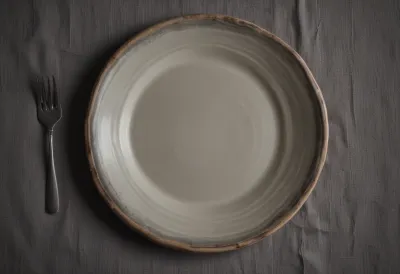
Does a smaller plate help you eat less?
The small-plate trick rests partly on retracted studies. What survives: plate effects depend on how portions are served, and the portion is the real lever.

Does eating in front of a screen make you eat more?
A screen can change how much you eat after the meal, not just during it. A card game at lunch doubled the afternoon snack, and memory is the prime suspect.

Volume eating: how to eat more food for fewer calories
The same water, the same calories: as soup it cut lunch by about 100 kcal, as a glass beside the meal it made no significant difference.

Does eating vegetables first lower blood sugar? Food order explained
Same plate, same calories, a much smaller glucose spike. The catch: who was studied, how few, and what food order has never been shown to do.
A practical hunger and fullness scale (1–10)
Your hunger rating can swing a long way on identical mornings. Here is how to read it anyway, and what it quietly cannot tell you.

Ramadan fasting and weight: what the studies show
Three meta-analyses, thousands of people, one pattern: about a kilogram goes, then much of it comes back within weeks. The clock changes more than the plate.
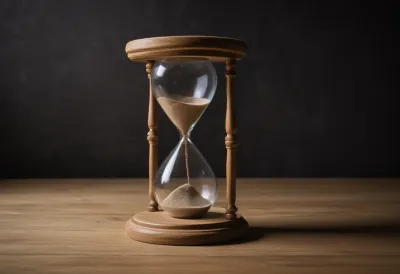
Does eating slowly help you lose weight?
Slow eating reliably trims the meal in front of you. Whether that ever shows up on the scale is a separate question, and the answer is thinner than you'd think.
Boredom eating: why it happens and what helps
Bored volunteers ate more M&Ms — and also shocked themselves more. The snack isn't a reward; it's an exit. That points to a different set of fixes.
Emotional hunger vs physical hunger: how to tell them apart
In lab experiments, self-described emotional eaters didn't eat more when upset. Dieters did. That changes how to read your next urge to snack.
What is "food noise" — and what does the research actually say?
The term came from GLP-1 patients, not labs. Researchers now have a definition and a prevalence figure, but almost no one has measured what quiets it.

Overate today? What to do next (and what not to)
The overeat itself costs a fraction of a pound. The payback fast you're planning for tomorrow is what restraint research says turns one day into a spiral.

The 5:2 diet: how twice-weekly fasting works
Everyone assumes the five 'normal' days quietly become a feast. When researchers actually measured them, people ate 19% less than they were allowed to.

Alternate-day fasting: what the research shows
Fast every other day and you'd expect to halve your intake. The measured figure is 37% - and the gap between 50 and 37 is the whole protocol.

Autophagy and fasting: hype vs evidence
The cell biology won a Nobel Prize. The "16 hours to unlock autophagy" ladder has no human study behind it — and the three that tried say something stranger.

Does meal timing matter for fat loss?
Eat earlier and your body does burn more of the meal and crave less. So why isn't meal timing a fat-loss strategy? Because it's a tiebreaker, not the game.

Does when you eat matter more than what you eat?
Timing gets the headlines. But in a locked metabolic ward, changing the food moved 500 calories a day — and the clock only takes over when your body clock does.
Does a shorter eating window help you lose weight?
A tighter eating window sounds like a fat-loss hack. The trials say it only works when it shrinks how much you eat — and for many people, it barely does.

How fasting affects blood sugar and insulin
"Fasting fixes insulin resistance" and "fasting causes insulin resistance" are both true. Which one you meet depends on how long you've gone without food.
Should you work out fasted?
Fasted cardio really does burn more fat in the session — about 3 grams of it. Four weeks later the fasted and fed groups looked identical. Here's where it dies.

Does hunger really fade when you fast?
Week one is the worst possible test of whether fasting suits you: it measures the hunger signal guaranteed to change, before the one that never does arrives.

Does fasting burn muscle?
The claim that fasting eats your muscle rests on one trial statistic — and the difference behind it is smaller than the scanner's own margin of error.
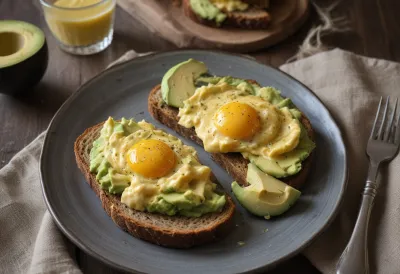
Does eating most of your calories earlier help?
A big breakfast is the easiest diet advice to follow badly. In one Cornell crossover, 624 morning calories bought back only 144 at the next meal.
Grazing vs three meals: which suits you?
The word "grazing" names two different behaviors, and the research that makes it look bad is mostly measuring the one you didn't mean.
How to start intermittent fasting safely
Leaping straight to a 16-hour fast is how most beginners quit in week one. The safe way in is gradual — and knowing the few signs that mean you should stop.
Intermittent fasting for women: what's different
The fear that fasting wrecks female hormones is aimed at the wrong variable. What suppresses them has a measured threshold — and it counts calories, not hours.
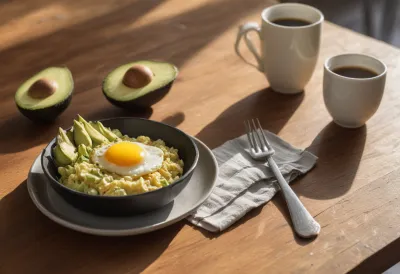
Is intermittent fasting just skipping breakfast?
Run 16:8 the usual way and you're just skipping breakfast. But skip dinner instead and the same fast may treat your metabolism better. Which meal should go?

Does how often you eat affect your weight?
Surveys said grazers stay leaner. A 50,000-person cohort found the reverse. The trials meant to settle it are graded 'very low certainty' — here's what holds.
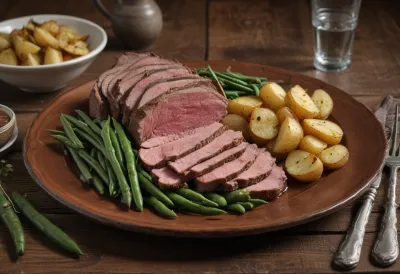
OMAD (one meal a day): does it work?
The objections people raise against OMAD - protein absorption, muscle loss - are the weak ones. The findings that should give you pause get almost no airtime.

Is snacking sabotaging you — or helping?
A snack isn't a special fattening food — but it's the easiest calorie to add without noticing. The fix isn't cutting snacks; it's two things about them.

Time-restricted eating: benefits beyond weight loss
Eight men ate on an early schedule for five weeks and were forbidden to lose a gram — their blood pressure fell anyway. Then a bigger trial found nothing.
Who should not try intermittent fasting
The standard warning list is mostly right and badly argued. One group's risk has a number attached — fasting doubled hypoglycemia even after doses were cut.

16:8 fasting: how it works and who it suits
Most of a 16-hour fast is spent asleep — which is why 16:8 is the gentlest on-ramp, and why the window only works if it actually shrinks what you eat.
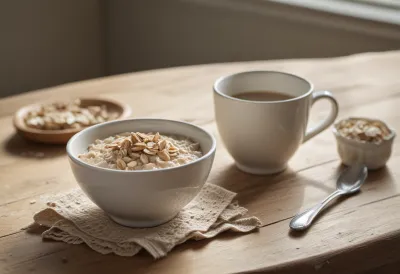
Is breakfast really the most important meal?
Randomly assign people to eat breakfast or skip it and the weight effect vanishes. The slogan outran the science — here's what breakfast actually does to you.
Does intermittent fasting actually beat regular dieting?
People lose real weight fasting — then the trials pit it against plain dieting and it ties every time. Both facts are true. Here's what that means for you.

Intermittent fasting vs calorie counting: which is better?
Same deficit, opposite doors: one controls when you eat, the other how much. The winner isn't on the scale — it's whichever failure mode you can survive.